§ RESOURCES / TOPICS / Narrative Aesthetics
Narrative Aesthetics
Narrative Aesthetics is the branch of aesthetics concerned with the narrative arts — film, literature, video games, and theatre. It studies how audiences experience these works and the principles governing beauty, taste, craft, and judgment in storytelling.
"By picking topics that we were struggling with in our own writing and filmmaking, finding examples of films that do this spectacularly well, where possible, finding those scripts, studying them, and relaying our findings."
— Chas Fisher | DZ-0: Welcome to Draft Zero
KEY IDEAS
Action Lines as Musical Score
"Your action lines have to play the role of the musical score and that's exactly what he does here when he says the monster that killed her family that's the text version of the music, that the score turns up in that moment in the movie."
— Tom Vaughn (00:48:51) · DZ-120: Subtext is Overrated!
Filmmaker's Subtext in Action Lines
"Unlike Michael Clayton, he is doing a lot of work and he's writing a lot of music in his action lines here."
— Stu Willis (01:10:31) · DZ-120: Subtext is Overrated!
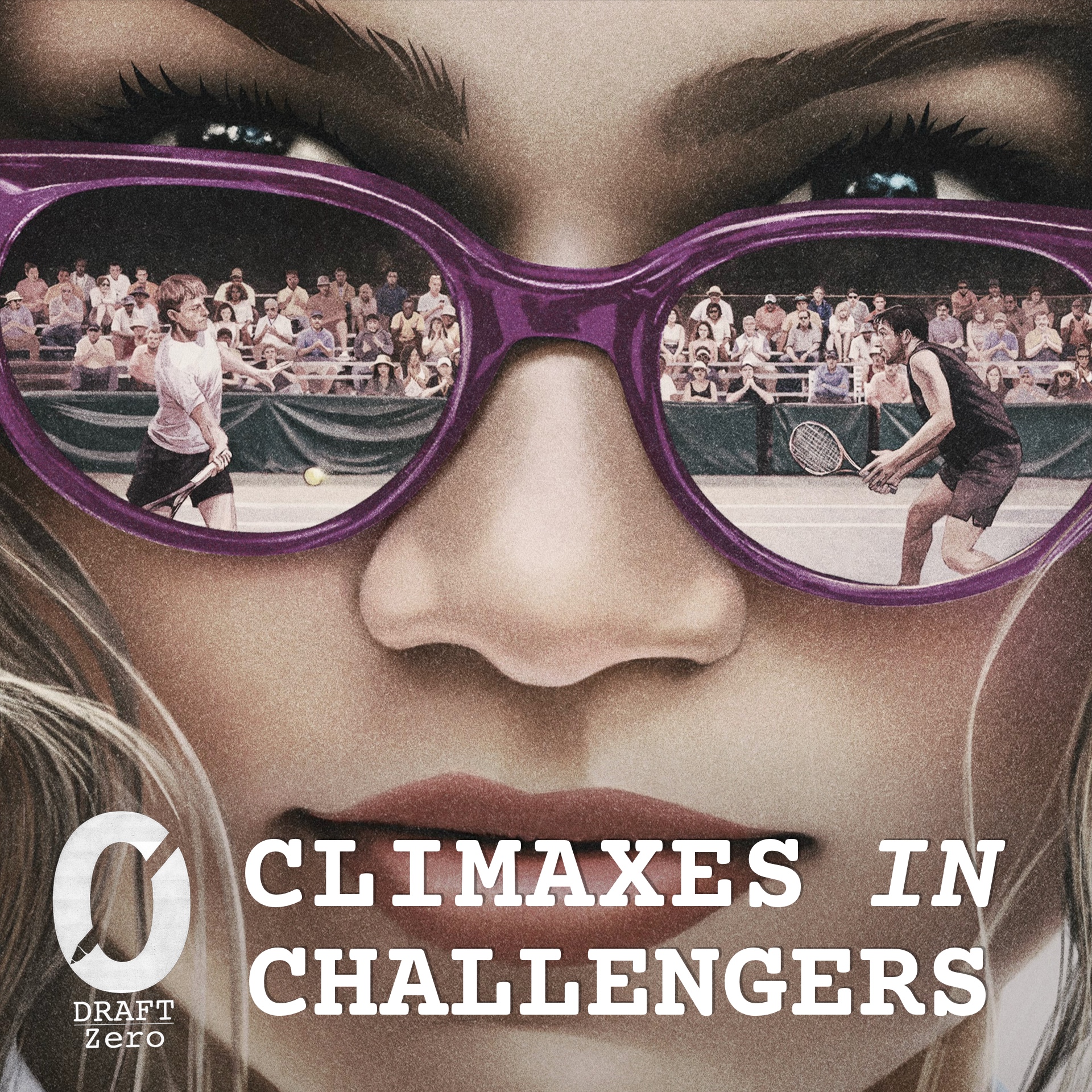
DZ-114: Climaxes in CHALLENGERS
How does ending your story on the climax affect audience experience?
AI✦Mel and Chas look at how the formal choice to end at climax--a decision about what to show and what to withhold--functions as a deliberate aesthetic strategy that changes the film’s meaning.✦
Listen to understand how withholding resolution can make your story great!
▶ More Info
While Stu is on show, Mel and Chas sit down to analyse the meaning behind the ending of 2024’s CHALLENGERS, especially when - upon reading the script - the most impactful moment of the ending on screen (for Chas in particular) is not written on the page… →
Films:
Challengers (2024)
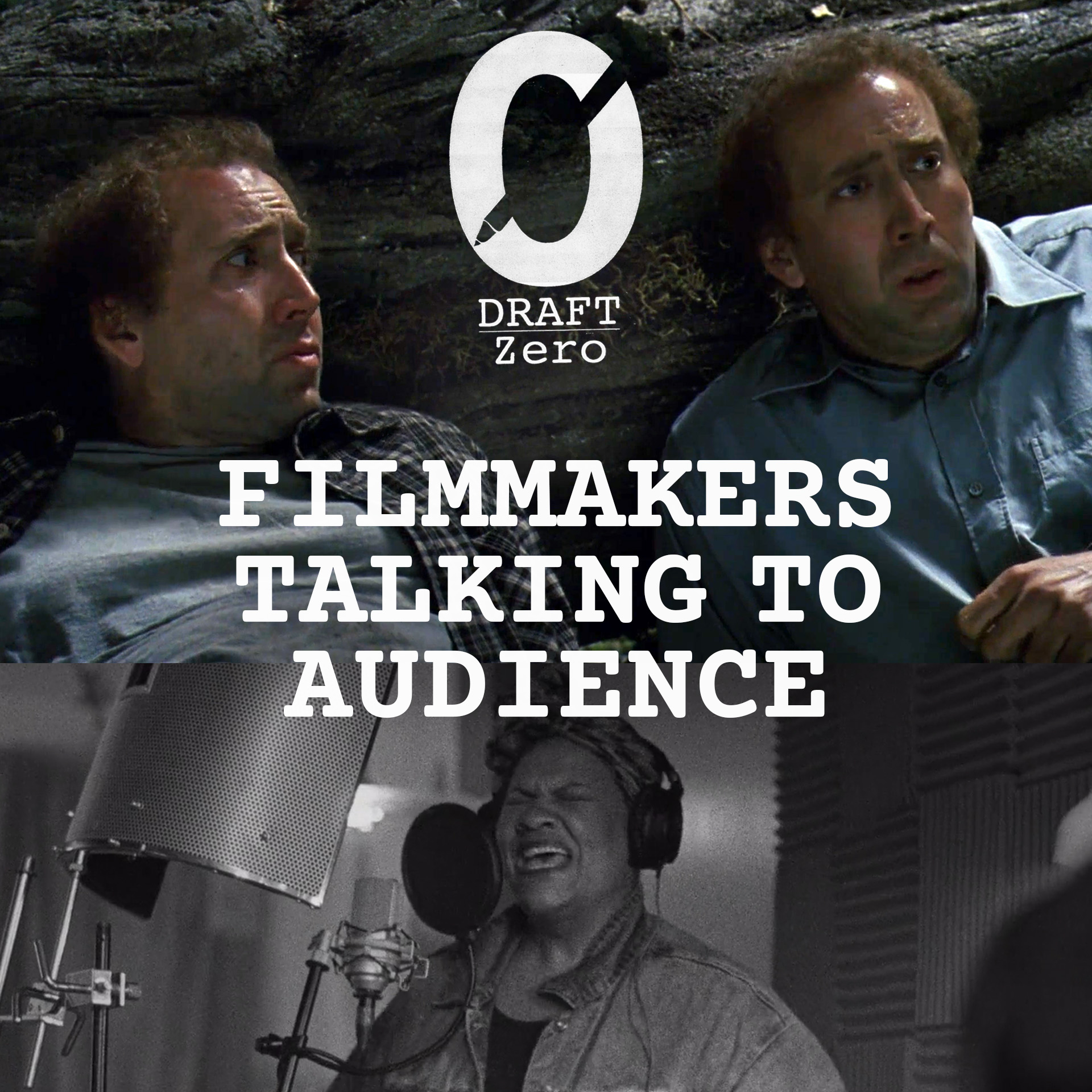
DZ-113: Tools For Filmmakers To Talk To The Audience
What tools help ensure that you as the filmmaker are not misunderstood?
AI✦The three films analyzed demonstrate how directorial hand and authorial presence become visible through unconventional narrative structures that break traditional storytelling conventions.✦
Listen if you want to explore how you can make your creative hand visible through meta-storytelling and structural choices!?!
▶ More Info
In our final (ha!) episode looking at Talking Directly to the Audience, we turn away from character-and-text based craft tools to look at other ways that filmmakers - whether they be directors, writers, editors, or anyone else - can make the audience feel their ‘hand’ more. To that end, Mel, Stu and Chas dive into ADAPTATION, STORIES WE TELL and THE FORTY-YEAR-OLD VERSION… →
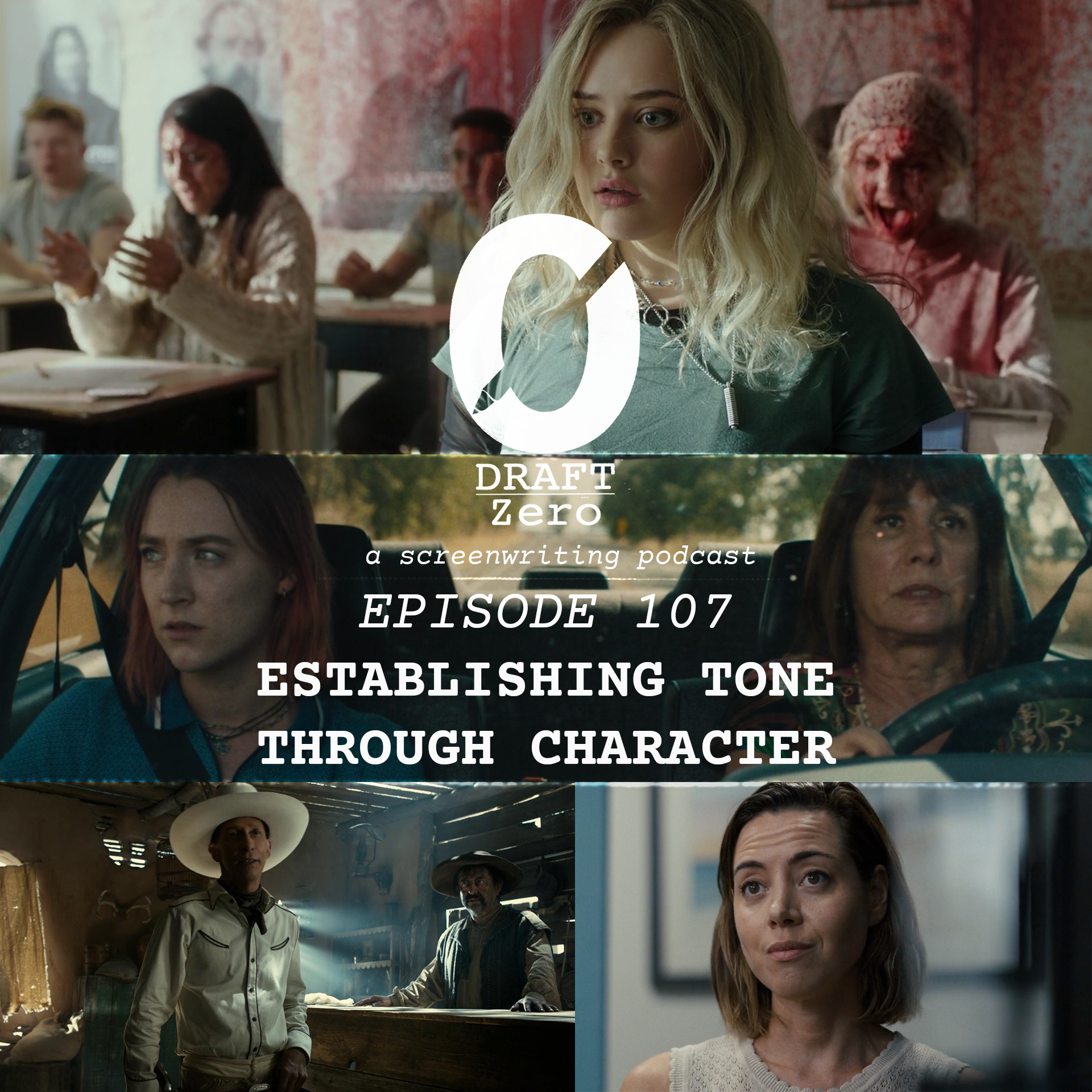
DZ-107: Establishing Tone through Character
How can we use dramatisation to create tone?
AI✦The episode treats tone as an aesthetic choice--how the audience is told about character circumstances and actions--which Stu identifies as the third point of his triangle for understanding tonal control.✦
Listen if you want to understand how character actions and reactions shape a film's tone
▶ More Info
In this episode, Chas and Stu continue their deep dive into how to write tone by examining films with “light” (we use the phrase loosely) tones: LADY BIRD, EMILY THE CRIMINAL, THE BALLAD OF BUSTER SCRUGGS, and SPONTANEOUS. We also talk a surprising amount about DUNE and CRAZY STUPID LOVE… →
Films:
Lady Bird (2017)
, Emily the Criminal (2022)
, The Ballad of Buster Scruggs (2018)
, Spontaneous (2020)
DZ-96: Ensembles 1 - What do we mean by an ensemble?
How can the same story feel different when you have more characters?
AI✦By asking why the distinction between ensemble and single-protagonist stories even matters, the hosts engage with underlying principles of how narrative architecture shapes audience experience.✦
Listen if you're working on a story with multiple protagonists and want to understand what makes an ensemble different from a single-protagonist narrative
▶ More Info
In the first part of our series on ensembles, Chas, Stu and Mel start by laying the groundwork for our future episodes. And we begin by asking the seemingly innocuous question: What do we mean by calling a story an ensemble?… →
Films:
Jurassic Park (1993)
, Alien (1979)
, Heat (1995)
, Top Gun: Maverick (2022)
, Ocean's Eleven (2001)
DZ-61: Unfilmables 2 - Moments of Awe
How can unfilmables help you create those cinematic moments of awe?
AI✦By asking whether cinematic moments of awe are actually unscriptable, Chas and Stu examine the underlying philosophy of what makes certain sequences feel transcendent and how that effect can be engineered through writing.✦
Listen if you're writing a moment that feels too big for the page (but you need it on the page).
▶ More Info
In this second part of our series on unfilmables, Chas and Stu continue their deep dive into how writing the “unfilmable” can enhance your script. Rather than looking at micro moments, they turn their gaze to “moments of awe” — those often breathtaking cinematic moments that feel beyond writing. But are those scenes actually unscriptable… →
Films:
You Were Never Really Here (2017)
, Searching for Bobby Fischer (1993)
, The Invitation (2016)
, Moonlight (2016)
DZ-60: Unfilmables 1 - Engaging imagination
How can unfilmables enhance the experience of your script?
AI✦The episode interrogates a foundational screenwriting principle--that unfilmables are forbidden--and asks what actually constitutes good craft when produced scripts consistently violate this rule.✦
Listen to discover how *produced* screenplays use unfilmables to shape tone, performance, and humour on the page.
▶ More Info
*AKA Why your screenwriting guru is wrong *… →
Films:
Lethal Weapon (1987)
, Hereditary (2018)
, A Quiet Place (2018)
, Killing Them Softly (2012)
, Spartan (2004)
, The Girl on the Train (2016)
, The Nice Guys (2016)
, Drive (2011)
, Michael Clayton (2007)
, The Tree of Life (2011)
, Three Billboards Outside Ebbing, Missouri (2017)
, Killing Eve (2018)
, Fleabag (2016)
, Sharp Objects (2018)
, Battlestar Galactica (2004)
DZ-57: Backmatter - Aesthetics and Forgiveness in Writing
How can you best articulate your ideas?
AI✦The episode centers on aesthetics as a foundational question--what makes writing good, and how do writers develop and articulate their aesthetic judgment.✦
Listen if you need to forgive yourself (for not writing)
▶ More Info
It is time (in fact, well past time) for our semi-annual #Backmatter episode. For the uninitiated, this is an episode where Stu and Chas discuss career and craft-related topics beyond what makes great screenplays work. To that end, Stu and Chas dive into: a five year review of Draft Zero and how it has changed their writing craft and process; a discussion on the aesthetics of writing; learnings for emerging writers in having their work produced; and finally forgiving yourself for not writing… →
DZ-0: Welcome to Draft Zero
What, exactly, is Draft Zero?
AI✦Stu frames Draft Zero’s core interest as narrative aesthetics--the effect of certain techniques on audiences--rather than formulas or structural prescriptions.✦
Listen if you're new to the podcast and want to understand our philosophy on screenwriting craft!
▶ More Info
Welcome to Draft Zero. A message from 2019 to those starting with our first episodes dating from 2014. We’ve learned a lot in five years. So where do you begin… →
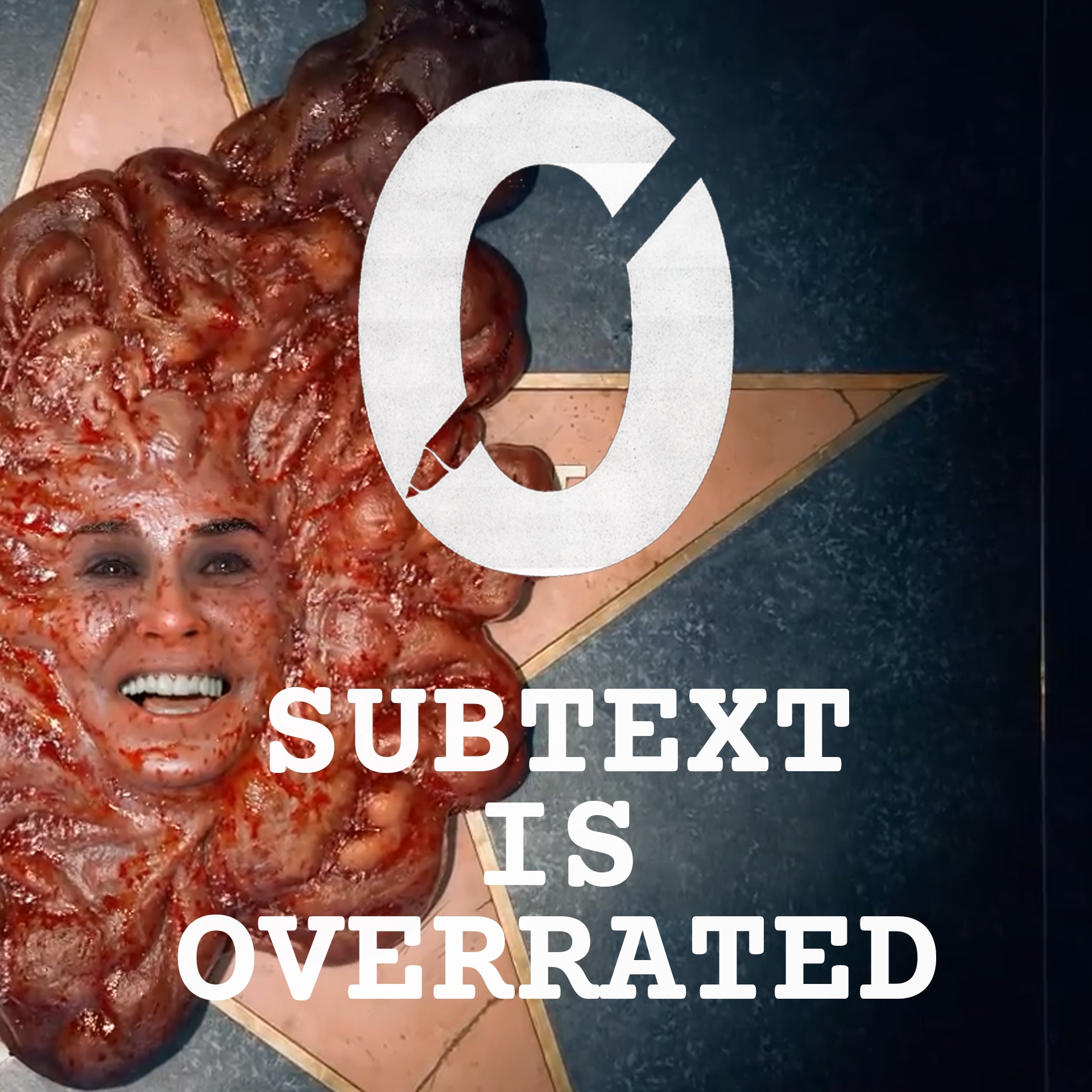
DZ-120: Subtext is Overrated!
How do character goals, tactics, and fears create subtext automatically?
AI✦Tom observes that Tarantino’s action lines do directorial work--setting tone and controlling meaning--while Fargato uses big print and visual language to put the audience inside character perspective.✦
Listen if you're struggling to write subtext without it feeling forced!
▶ More Info
Or, how focusing on good drama will result in good subtext. We often hear how subtext is important for good screenwriting. We’re here to tell you it isn’t. Good subtext is a result of good drama, and your focus should be on creating that good drama. But how… →
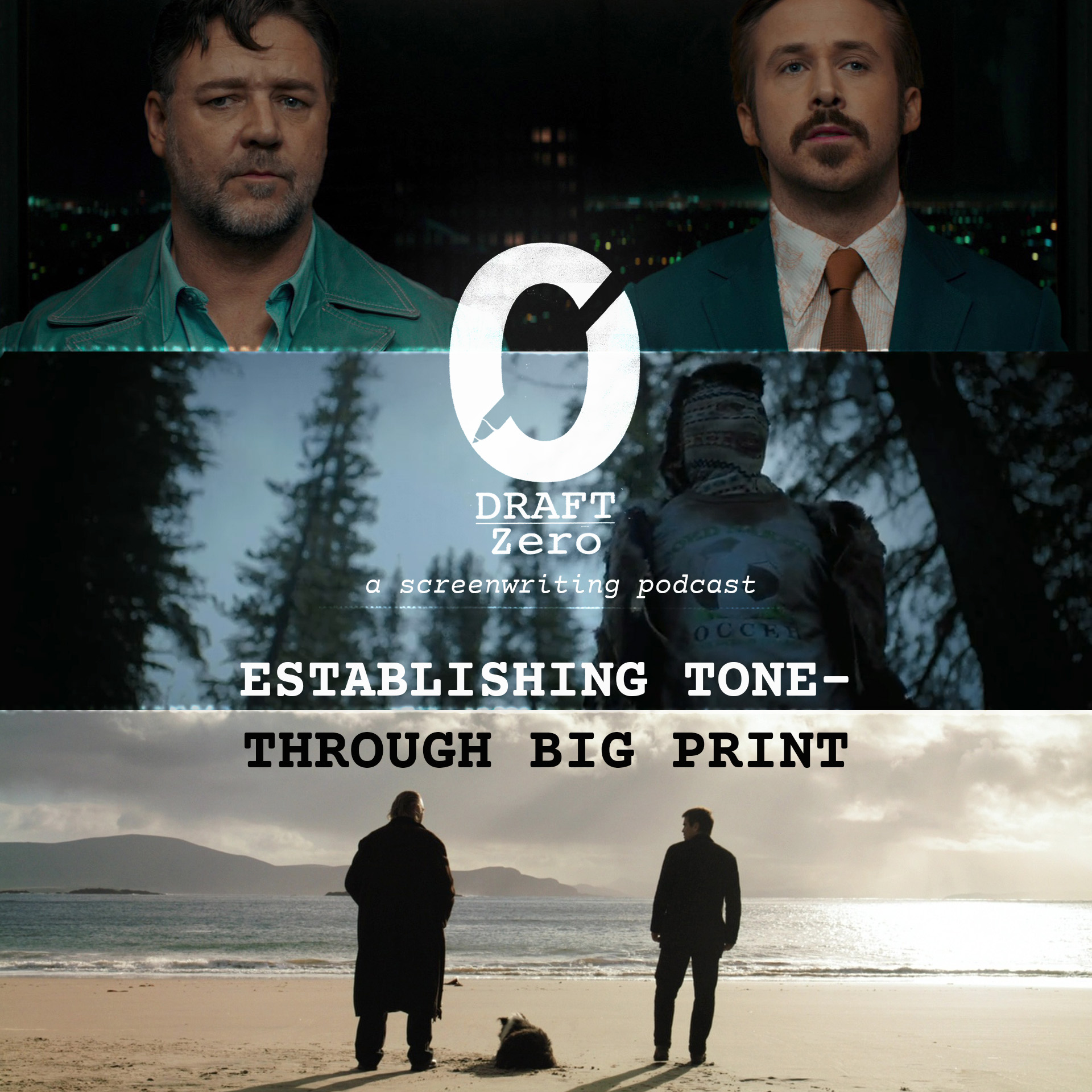
DZ-105: Establishing Tone through Big Print
How can we teach the reader to find the humour in our darkness?
AI✦The episode treats tone as a structural and writerly choice rather than a mood, examining how writers frame their story’s relationship to violence, humour, sex, and prejudice on the page itself.✦
Listen if you want to use an unusual tone in your screenplay.
▶ More Info
Chas and Stu finally start their long-mooted exploration of tone with a series that examines films and shows with unusual tones and dives into how the writers establish those tones in the first 5 pages… →
Shows:
YELLOWJACKETS 1x1
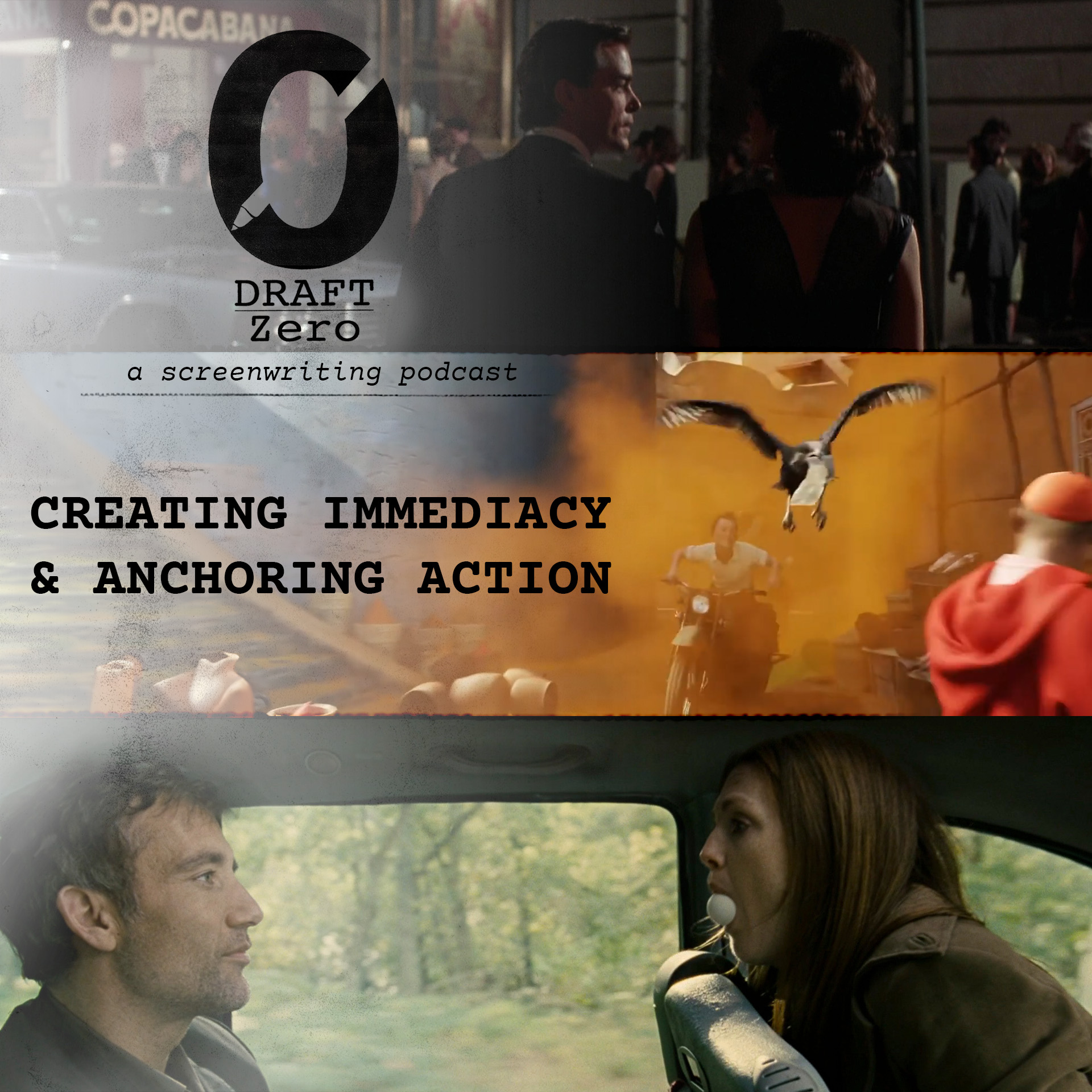
DZ-101: Oners - Creating Immediacy & Anchoring Action on the Page
What can we learn by analysing how 'oners' are written on the page?
AI✦Mel, Chas, and Stu demonstrate how the visual language of a oner--its rhythm, spatial logic, and handovers between action--becomes a narrative choice that shapes how an audience feels the story rather than just understands it.✦
Listen to understand how screenwriters direct the camera without calling shots.
▶ More Info
Chas, Stu and Mel reunite to talk about writing the feel of camerawork in screenplays. We use “oners” — a long-playing continuous take — as a lens to talk about how some writers have “directed” from the page. We talk immediacy, camera positions, handovers, and anchoring action and more… →
DZ-82: Dramatising Given Circumstances in WATCHMEN
How can you elegantly convey given circumstances and exposition?
AI✦The episode surfaces the philosophy behind craft choices: how presenting identical information through different tonal lenses and structural ordering changes what lands for an audience, raising questions about what constitutes effective storytelling across mediums.✦
Listen if you're drowning your readers in world-building and can't figure out how to make it awesome!
▶ More Info
In this final podcast release of last year’s run of LiveSoLation episodes, Chas and Stu are joined by Uber-geek Mel Killingsworth (who else?) in an epic exploration of how Dave Gibbons’ and Alan Moore’s seminal graphic novel WATCHMEN is adapted differently in Zack Snyder’s 2009 film and Damon Lindelof’s 2019 HBO television show… →
Shows:
Watchmen
DZ-75: Fury Road & Visual Storytelling
How can you do powerful storytelling... without dialogue?
AI✦By asking how you can do powerful storytelling without dialogue, the conversation surfaces a philosophy about what makes narrative satisfying and which craft tools are actually essential to affect an audience.✦
Listen to hear how visual storytelling can carry an entire narrative with minimal dialogue.
▶ More Info
Stu and Chas are joined by filmmaker, podcaster and writer Lia Matthew Brownn to deep dive into FURY ROAD and its astounding visual storytelling, both on the page and on screen. We talk about setups and payoffs, given circumstances, image systems, environmental storytelling, and how the relationship between Furiosa and Max is built over the course of the story with very little dialogue (besides Tom Hardy’s grunts and the odd bellow of “MEDIOCRE!”).
You can also watch the complete live stream on YouTube or just the breakdown of the Furiosa/Max fight (which isn’t in the podcast) here: https://www.youtube.com/watch?v=f8uYAbEcQeQ&feature=youtu.be… →
Films:
Mad Max: Fury Road (2015)
DZ-31: Tools for Better Dialogue 1
How does dialogue serve to reveal character?
AI✦The back matter moves into academic territory examining the philosophical differences between theatrical, cinematic, and television dialogue as distinct aesthetic choices.✦
Listen if your want your dialogue to individualizes characters, reveal characterization, and shift status!
▶ More Info
Chas & Stu are joined once again by the renowned script developer and producer, Stephen Cleary. In the first part of our series on writing better dialogue (there will be more!), we take a close look at how dialogue serves character: individuating characters, revealing characterisation, shifting status, and much more… →
Films:
Analyze This (1999)
, Notting Hill (1999)
, The Remains of the Day (1993)
, The Avengers (2012)
DZ-25: Coincidences, Contrivances & Giant Eagles
How do screenwriters get away with using coincidences in their stories?
AI✦The episode wrestles with what makes a contrived moment feel satisfying or earned rather than cheating, which is fundamentally a question about taste and craft judgment in storytelling.✦
Listen when you need to know which coincidences earn trust and which ones feel like cheating.
▶ More Info
Remember that time in THE DARK KNIGHT RETURNS when Bruce suddenly - magically - returned to Gotham, and you were like “WTF?!” Well, it turns out that many of the best films have moments that are just as coincidental or contrived (or a flock of Giant Eagles) and yet get away with it. Does Pixar’s “rule” that it is ‘cheating to use coincidences to get your characters out of trouble’, always apply… →
DZ-117: Pulling Off Tonal Shifts
How can we teach our audience new storytelling rules in the middle of our story?
AI✦The hosts dissect how writers control tone through language patterns and varying use of unfilmables and metaphors, teaching you to write the visual grammar of tonal shifts directly into the page.✦
Listen if you want to write tonal pivots that land on the page without a director's toolkit.
▶ More Info
Following on from our episodes on establishing tone through action lines and through character, this is what we have been building up to: how to pull off a tonal switch… that does NOT throw the audience out of the film. And, in particular, how to pull that off on the page when writers don’t have framing, lighting, music, editing, etc. at our disposal… →