Development
Every episode covering Development.
"The scriptment phase, the idea for a scriptment is this needs to be fun it needs to be interesting I may find at the scriptment phase that this is is boring or I’m not emotionally invested or something like that. And then I haven’t really invested enough. I’m very happy to abandon it and it lives in my graveyard folder."
— Mel Killingsworth | DZ-106: How do you know if you have enough story?
Start here
KEY IDEAS
Lingering Character Transformation Beyond Survival
"One of my favorite parts of the cycle part of terms is the lingering effects on the characters. Even if they managed to survive. Maybe they've also solved some part of the mystery. They're still left, you know, devastated with these scars uh or left permanently altered [...] the final girl laughing on the truck at the end of Texas Chainsaw Massacre it's like she survived but at what cost."
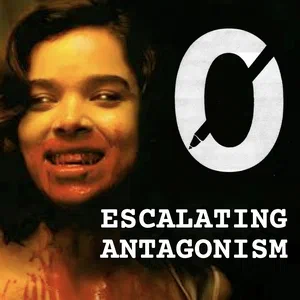
— Kim Ho (00:23:24) · DZ-121: Escalating Antagonism in SINNERS
Theme and Ending as Starting Points
"I don't even bother doing any work on a story until I know how it ends and what theme I'm exploring, whatever theme means to me. So, I need to know those things just from like, you know, doing the dishes or in Mel's case, is going on a run or something like that. I need to have that in my head as inspiration before I even start doing other work."
— Chas Fisher (00:40:15) · DZ-106: How do you know if you have enough story?
Development Through Multiple Story Tellings
"What I'm constantly trying to do is just tell the story in a bunch of different ways as it slowly gets more and more embellished. [...] A prose version of the story, particularly with a feature, can give you an idea of, is this flowing as a narrative?"
— Stu Willis (01:08:36) · DZ-106: How do you know if you have enough story?
Scriptment as Emotional Checkpoint
"The scriptment phase, the idea for a scriptment is this needs to be fun it needs to be interesting I may find at the scriptment phase that this is is boring or I'm not emotionally invested or something like that. And then I haven't really invested enough. I'm very happy to abandon it and it lives in my graveyard folder."
— Mel Killingsworth (00:28:53) · DZ-106: How do you know if you have enough story?
Five-Act Structure for Longer Scripts
"I know that I personally really tend to use a five-act structure on anything that's longer than 20 pages. I just find it more helpful for me to have five acts and the turning points and the climaxes and etc within that."
— Mel Killingsworth (00:04:06) · DZ-106: How do you know if you have enough story?
Using Midpoint to Gauge Narrative Drive
"for me, often when I'm structuring stuff, the first- one of the early questions for me structurally is what is the midpoint? Because the midpoint will help me work out whether I've got enough juice."
— Stu Willis (00:14:22) · DZ-106: How do you know if you have enough story?
Development Tools Replace Multiple Drafts
"I'm not someone who's at the moment interested in writing 10 drafts, vastly different drafts of a script, right? Which certainly writers do and have done early in their career because they don't have the tool sets or the processes or the structures to kind of understand how to develop the story."
— Stu Willis (00:34:38) · DZ-106: How do you know if you have enough story?
Completion as the Primary Goal
"ultimately the most important part of the development process is getting you to the end."
— Stu Willis (00:30:11) · DZ-106: How do you know if you have enough story?
Discovering World and Relationships in the Pilot
"For me, as I start writing the pilot, I'm figuring out a little bit about the world, about how the character, not just the characters, but how their relationships work."
— Mel Killingsworth (00:21:21) · DZ-106: How do you know if you have enough story?
Knowing Enough Before Writing Pages
"I think we should talk about developing from a concept so that you have enough narrative fuel before you start writing and also going, what do, in our experience, when do we know we've got enough to go to pages? Pages, because I think that's possibly another issue is that they've just jumped out of development into writing pages too soon."
— Chas Fisher (00:33:06) · DZ-106: How do you know if you have enough story?