
§ RESOURCES / TOPICS / Genre Shift
Genre Shift
Every episode covering Genre Shift.
"I want to distinguish between genre shifts and tonal shifts because I do think they’re two separate but deeply related things."
— Chas Fisher | DZ-117: Pulling Off Tonal Shifts
Start here
DZ-87: Keeping Genre Fresh
How do you deliver on the emotional contract of a genre while surprising the audience?
AI✦When you layer genre expectations (the thriller machinery of GET OUT or THE INVISIBLE MAN) with tonal or thematic shifts, you keep the audience’s contract intact while preventing them from anticipating your next beat.✦
Listen when you're writing within a genre but terrified you'll deliver something your audience has already seen.
▶ More Info
In tackling this enormous topic, Stu and Chads enlist professional TV writer and director Kodie Bedford, someone who has somehow managed to defy genre pigeon-holing by writing mystery, comedy and vampire shows… →
DZ-88: Drama in Genre clothing
How can dramas use genre elements to hook their audiences?
AI✦The episode’s central thesis is how these three films use genre in the streets but deliver character drama in the sheets, making the pivot from genre hook to character-driven story the core craft question.✦
Listen if you're writing a genre film but sense your story wants to become something else entirely.
▶ More Info
Stu and Chas reunite with TV writer & director Kodie Bedford to look at how some films start out as genre but gradually become character dramas. Or, as Stu never said on the episode “Genre in the streets, Drama in the sheets”.… →
KEY IDEAS
Genre Shift Away From Crime Urgency
"The plot starts becoming less and less pressing to the point where there's, like, does it actually make a difference? Like, what's the urgency, the goal stakes and the urgency of this? She is writing a report. [...] So, it's just an interesting conversation around genre. And then I think in the last episode, it does do a genre shift."
— Stu Willis (00:57:09) · DZ-118: ADOLESCENCE -- How Questions Create Dramatic Tension
Even More
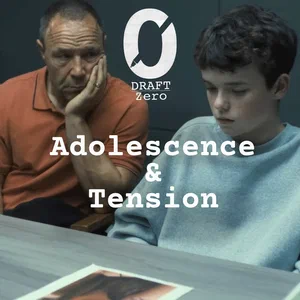
DZ-118: ADOLESCENCE -- How Questions Create Dramatic Tension
How do dramatic questions create tension?
AI✦Stu maps the show’s structural pivot from plot-driven crime procedural in episode one toward character and thematic melodrama by episode four, arguing that this shift is not incidental but essential to how the series generates sustained tension.✦
Listen when you need tension without external stakes--subtext, stillness, and thematic weight do the work.
▶ More Info
In this episode, Stu and Chas delve into the cultural phenomenon of ADOLESCENCE. We try to find the craft tools that have made the show so compelling and such a catalyst for conversation… →
Films:
Adolescence (2025)

DZ-117: Pulling Off Tonal Shifts
How can we teach our audience new storytelling rules in the middle of our story?
AI✦These three films all execute radical genre pivots mid-story, and Mel and Chas reverse-engineer how their writers made those shifts feel inevitable rather than jarring.✦
Listen if you want to write tonal pivots that land on the page without a director's toolkit.
▶ More Info
Following on from our episodes on establishing tone through action lines and through character, this is what we have been building up to: how to pull off a tonal switch… that does NOT throw the audience out of the film. And, in particular, how to pull that off on the page when writers don’t have framing, lighting, music, editing, etc. at our disposal… →
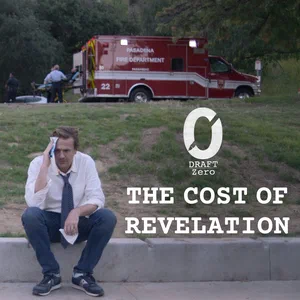
DZ-127: Secrets and Clues 2 - The Cost of Revelation
What does it cost a character to find something out, or to say it?
AI✦Side Effects pivots from a melodrama about depression and medication in the first half to a 90s thriller in the second. Stu, Chas and Mel then discuss how that genre transition reshapes what kind of information the audience is meant to hunt for.✦
Listen to learn the emotional impact of revealing secrets vs discovering them.
DZ-22: Romantic Comedy, Actually
How can studying RomCom clichés teach us to subvert them?
AI✦By examining films like Shaun of the Dead and Eternal Sunshine of the Spotless Mind, the episode shows how romcoms can be reinvigorated by blending or subverting their traditional genre markers.✦
Listen if you're writing a romcom and want to understand what makes this gentre tick.
▶ More Info
With Stu busy working on Hollywood blockbusters, Chas is joined by Alli Parker (script department on Aussie TV series and former co-ordinator of European #scriptchat) to unpick successful romcoms to see if they can illuminate a path for writers working in this struggling genre. Cheap to produce and potentially highly lucrative, Chas and Alli look at RomCom’s conventions to see what it may take to reinvigorate this genre… →
Films:
When Harry Met Sally... (1989)
, (500) Days of Summer (2009)
, The Proposal (2009)
, Notting Hill (1999)
DZ-90: Setups & Payoffs in EVERYTHING EVERYWHERE ALL AT ONCE
How can you use setups and payoffs to stitch your film together?
AI✦The film layers action sequences, melodrama, absurdist comedy, and philosophical sci-fi together; Chas and Stu show how setups and payoffs stitch these tonal shifts so they feel inevitable rather than chaotic.✦
Listen to understand how setups, payoffs, and reversals create narrative cohesion even when your story is fkn bonkers.
▶ More Info
In this one-shot, Chas and Stu jump into the utter chaos of EVERYTHING EVERYWHERE ALL AT ONCE. Y’know, nultiverses, butt-plug action sequences, hot-dog fingers, a raccoon chef, a nihilist bagel. All the good stuff. And yet it lands emotionally in a way that feels inevitable… →