DRAFT ZERO
§ RESOURCES / TOPICS / Character Questions

Character Questions

Every episode covering Character Questions.


"I think there are three kinds of sequences, fundamentally. I think there are plot sequences, which are sequences that are driven entirely by the plot question, where character can kind of perform underneath, but really the sequence is driven by the plot question. Then you have what I would call plot character sequences."

DZ-43: Driving Sequences - Character and Plot Intensity


KEY IDEAS

Controlling Which Questions Audiences Ask

"The writers on a macro and a micro level are so in control of the questions they want their audience to be asking at any given time. Do they want them to be asking plot questions? Do they want them to be asking character questions?"

— Chas Fisher (01:54:31) · DZ-118: ADOLESCENCE -- How Questions Create Dramatic Tension

Plot vs. Character Questions

"Plot questions should be short and concise and comprehensible. And character questions should be long and meandering and incomprehensible. It's expressed as will X do Y? The thing they do must be clearly observable. In a character sequence, there is no plot question. If you say, what are they doing, the answer is they're just walking around to no purpose. There's no action, there's no question you can characterize over that 20-minute section of the story. It's not about what will happen, it's what will the character come to learn? Or will indeed they learn at all?"

— Stephen Cleary (01:18:25) · DZ-43: Driving Sequences - Character and Plot Intensity

Character and Introspection

"The more characterful you get, the more it makes the audience introspective -- makes the audience ask questions about themselves rather than necessarily about what's going on on screen. Because in terms of plot there's nothing to understand; there's nothing happening. Johnny Boy will rant for the next 10 minutes and in terms of action of story nothing is going to happen."

— Stephen Cleary (01:34:17) · DZ-43: Driving Sequences - Character and Plot Intensity


DZ-67: Writing Passive Protagonists & Melodrama

How do I tell a powerful story where the protagonist cannot drive the plot?
AIMelodrama centers on character questions more deeply than the Hero’s Journey, since the plot happens to characters rather than being driven by them.
⏱ 2h 58m
30 APR 2020
Listen if you want to write powerful stories centred on characters without much agency.
More Info
Stu and Chas are joined by Stephen Cleary following his exploration into Melodrama, and together they try to reclaim the word from its pejorative meaning…


DZ-43: Driving Sequences - Character and Plot Intensity
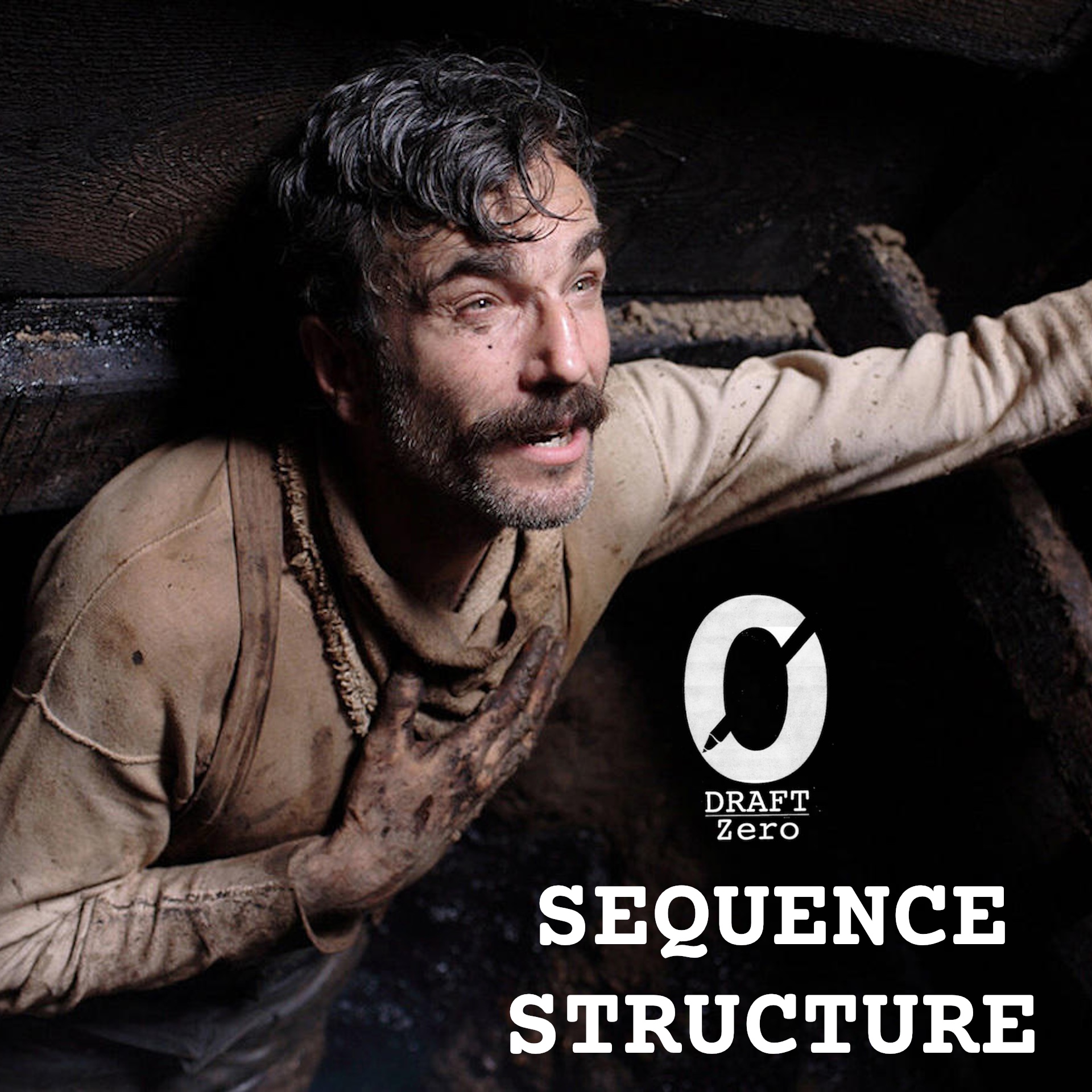
What gives your sequences their intensity?
AIThe deep dive explores character questions (“Will she understand what compels her to defuse bombs?”) as a means to generate dramatic intensity independent of plot momentum.
⏱ 3h 16m
8 JUL 2017
Listen to understand how dramatic questions shape audience engagement and pacing through sequences.
More Info
Chas and Stu are joined for the fourth time by the inestimable Stephen Cleary - this time to take a deep dive into sequences. A real deep dive. A 3+ hour deep dive…


DZ-118: ADOLESCENCE -- How Questions Create Dramatic Tension

How do dramatic questions create tension?
AIRather than plot questions like ‘whodunit,’ Chas identifies character questions as the engine of later episodes--‘Will Eddie connect with his son?’ ‘What does the psychologist understand about Jamie?’--and shows how answering them resolves larger thematic work.
⏱ 2h 0m
1 MAY 2025
Listen when you need tension without external stakes--subtext, stillness, and thematic weight do the work.
More Info
In this episode, Stu and Chas delve into the cultural phenomenon of ADOLESCENCE. We try to find the craft tools that have made the show so compelling and such a catalyst for conversation…


DZ-99: Scene Questions

How do audience questions shape scenes?
AICharacter-level questions about who someone is and what they want are isolated as one of three question types that structure scenes alongside plot and thematic concerns.
⏱ 1h 34m
1 MAY 2023
Listen if learn how to structure individual scenes through the questions you pose to your audience!
More Info
Inspired by our earlier episodes on sequences, Chas and Stu narrow their focus to look at the atomic unit of screen storytelling: the scene. In particular, we breakdown how question and answers prompted in the audience structure individual scenes…


DZ-88: Drama in Genre clothing

How can dramas use genre elements to hook their audiences?
AIRather than plot questions, Stu and Chas show how these films plant character questions early--who is this person, what do they really want beneath the surface--that carry more weight than the genre mechanics.
⏱ 2h 6m
30 APR 2022
Listen if you're writing a genre film but sense your story wants to become something else entirely.
More Info
Stu and Chas reunite with TV writer & director Kodie Bedford to look at how some films start out as genre but gradually become character dramas. Or, as Stu never said on the episode “Genre in the streets, Drama in the sheets”.


DZ-58: Game of Thrones - Character Exposition

How can you let your characters tell us how they feel?
AIThese scenes work by leaving the audience asking what the character will reveal about themselves, making character questions the primary source of engagement.
⏱ 1h 47m
16 MAY 2019
Listen to understand why what a character *doesn't* say reveals more than exposition ever could.
More Info
In watching Season 7 (and the first three episodes of Season 8) of Game of Thrones, Stu noticed that there were lots of scenes where characters either met for the first time or were reunited after a long time apart. In these scenes, the audience knows (or thinks they know) more than either character. And so the fascination, power and subversion comes from what the characters choose to reveal... or not…


DZ-54: Thematic Sequences

How does removing character and plot question force your audience to engage with theme?
AIThe episode’s central insight depends on understanding what happens when you deliberately remove character questions from a sequence, forcing a different mode of engagement.
⏱ 2h 49m
10 OCT 2018
Listen if you want to make theme your primary driver (for a sequence)
More Info
Chas and Stu are joined, once again, by the inestimable Stephen Cleary. This episode is a spiritual sequel to our last episode with Stephen, the one on sequence structure. That episode explored how sequences could be broken into plot, character, and plot/character sequences…


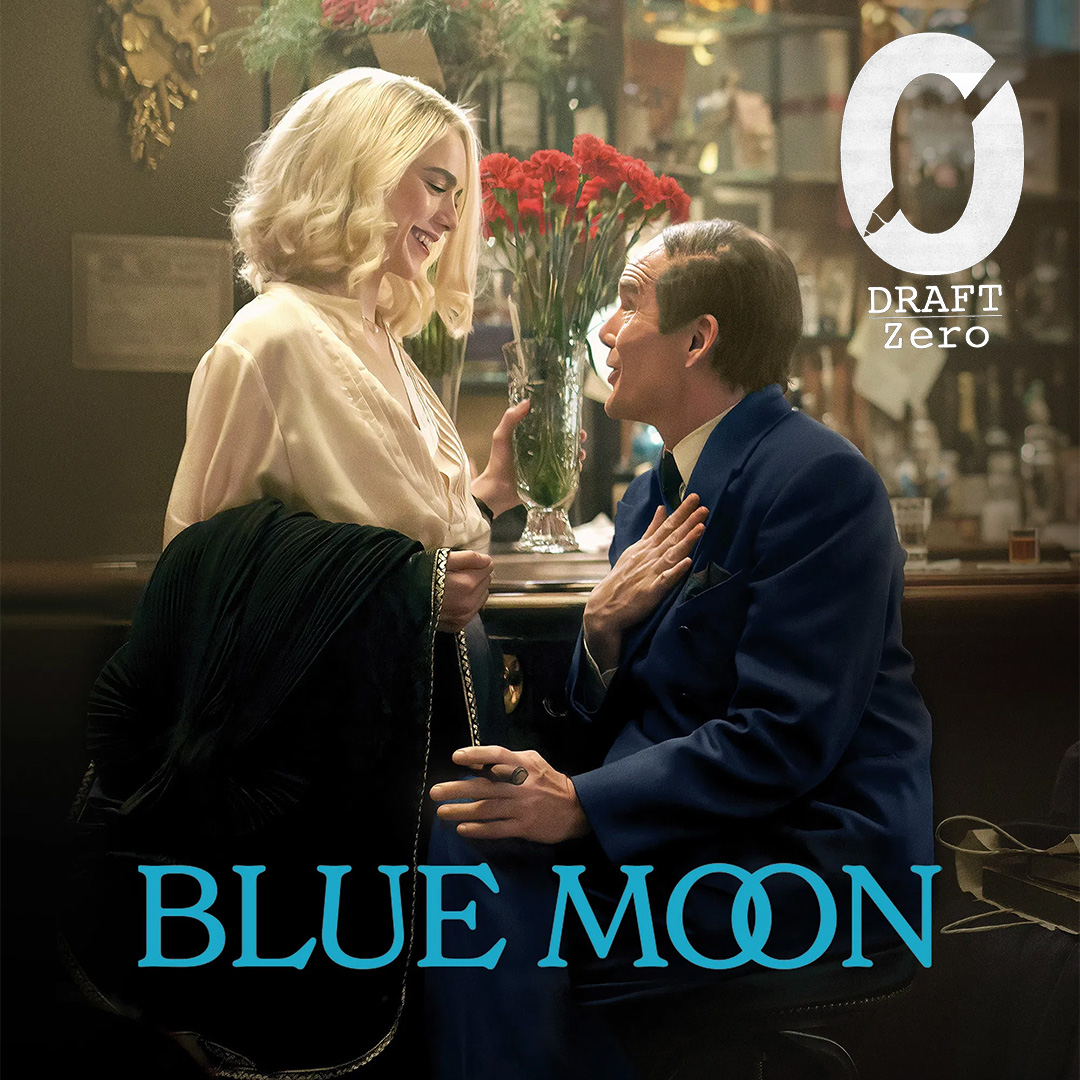
DZ-125: Oscars One-shot - BLUE MOON

What craft tools make a low-budget, contained, period drama riveting?
AIMel surfaces the film’s refusal to give flat answers about Larry’s motivations--when he organizes a party he knows will fail or when he tells a bathroom story that may or may not be about a woman, the ambiguity is part of the point and keeps character psychology from feeling reducible.
⏱ 1h 18m
26 FEB 2026
Listen if you want to understand how narrative POV, screenplay format, and dialogue craft can elevate a contained biopic into an Oscar-nominated film
More Info
BLUE MOON is a talky, period-drama that film about an obscure songer-writer in the 1940s. Yet, it attracted world-class talent AND Academy Award nominations, including for it’s script. Join Chas & Mel as they explore how narrative POV, interweaving relationships, hooky dialogue, and even the screenplay format itself make the script for BLUE MOON so great…