DRAFT ZERO

Latest Episode

DZ-126: Secrets and Clues
How can Secrets and Clues motivate characters?
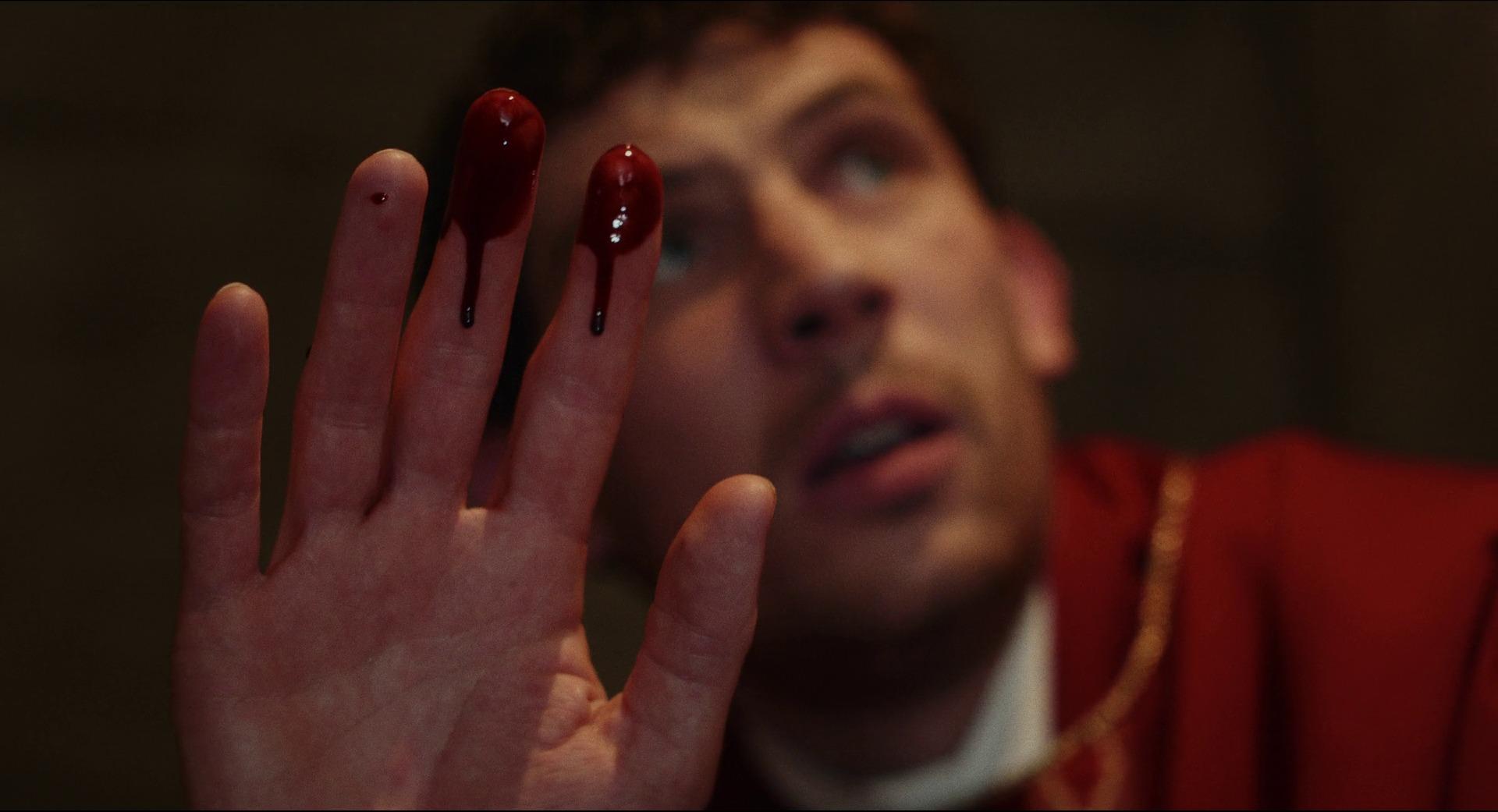
DZ-126: Secrets and Clues
Listen if you want to understand how hidden information drives character motivation and plot structure!
⏱ 1h 28m
Structure · Character · Scenes |30 Apr 2026
More Info
“Getting information puts your character in danger. And danger rewards your character with information." — One of three ideas we steal from game design in this episode. In this two part series, we talk about how secrets, clues and hidden information motivate characters and may (or may not) help you plot from a character perspective. Part One (this episode) looks at WAKE UP DEAD MAN; while Part Two looks at SIDE EFFECTS, and the pilot episode of SHRINKING…
· · ·
AIThe hosts directly address whether characters are pushed forward or pulled forward by information, and how that distinction shapes the kind of escalation each character can sustain across the film.


"Judd doesn’t want to solve the crime. He wants to confess, right? And Benoit wants to solve the crime. And the way he gets Judd to go along with him at that point is to say: Father, sorry, Dr. Nat is in danger."

Chas Fisher  |  DZ-126: Secrets and Clues


Recent Episodes

DZ-125: Oscars One-shot - BLUE MOON
What craft tools make a low-budget, contained, period drama riveting?
DZ-125: Oscars One-shot - BLUE MOON
Listen if you want to understand how narrative POV, screenplay format, and dialogue craft can elevate a contained biopic into an Oscar-nominated film
More Info
BLUE MOON is a talky, period-drama that film about an obscure songer-writer in the 1940s. Yet, it attracted world-class talent AND Academy Award nominations, including for it’s script. Join Chas & Mel as they explore how narrative POV, interweaving relationships, hooky dialogue, and even the screenplay format itself make the script for BLUE MOON so great…
· · ·
AIMel and Chas break down how Blue Moon's almost total commitment to Larry Hart's perspective--he's absent from only two beats in the entire film--shapes both the script's structure and the audience's emotional experience of his decline.


DZ-124: Making the Despicable Compelling
How does Film Noir show us terrible people doing terrible things without endorsing it?
DZ-124: Making the Despicable Compelling
Listen if you need audiences to root for characters who do terrible things
More Info
Mel and Chas continue to explore what Noir (the genre) can teach writers of all other genres. In particular:…
· · ·
AIThe episode isolates voiceover and given circumstances as tools that contextualize why characters make incredibly stupid or morally grey choices for understandable reasons.


DZ-123: Flawed Characters in Noir
What can Film Noir teach us about character arcs and audience engagement?
DZ-123: Flawed Characters in Noir
Listen if you want to write morally compromised characters without endorsing their choices.
⏱ 1h 22m
Character · Theme · Scenes |31 Dec 2025
More Info
In this two part series, Mel and Chas use Noir (the genre) as a lens to interrogate flawed characters. How can characters doing reprehensible things still engage audiences? How can you ensure representation isn’t endorsement? And whether these characters undergo transformative arcs, or simply reveal their true natures…
· · ·
AIMel and Chas argue whether Neff and Marlowe undergo transformative arcs or simply reveal who they always were, asking whether change means doing something different or allowing your true nature to emerge.


Foundational Episodes

Beginner's Guide →
DZ-43: Driving Sequences - Character and Plot Intensity
What gives your sequences their intensity?
Chas and Stu are joined for the fourth time by the inestimable Stephen Cleary - this time to take a deep dive into sequences. A real deep dive. A 3+ hour deep dive…
⏱ 3h 16m
8 JUL 2017
More Info
DZ-31: Tools for Better Dialogue
How does dialogue serve to reveal character?
Chas & Stu are joined once again by the renowned script developer and producer, Stephen Cleary. In the first part of our series on writing better dialogue (there will be more!), we take a close look at how dialogue serves character: individuating characters, revealing characterisation, shifting status, and much more…
⏱ 2h 5m
10 APR 2016
More Info
DZ-52: Antagonists! 4 - vs Systems
How do systems pressure your characters to change?
This is Part Four (!!) of our Five Part Epic Exploration into antagonists forces and sources of conflict. In this episode we explore “system/world/society” antagonists. While stereotypically associated with science-fiction, these sources of conflict are found across genres…
⏱ 2h 16m
28 JUN 2018
More Info
DZ-67: Writing Passive Protagonists & Melodrama
How do I tell a powerful story where the protagonist cannot drive the plot?
Stu and Chas are joined by Stephen Cleary following his exploration into Melodrama, and together they try to reclaim the word from its pejorative meaning…
⏱ 2h 58m
30 APR 2020
More Info
DZ-32: High-Tension Sequences
How can you recreate the feeling of cinematic high-tension on the page?
Chas & Stu take a close look at sequences of high-tension - the ones that make you lean forward in fear, or jump backwards in terror. Without camera angles, lighting, music or sound, how can screenwriters can evoke those emotions in readers using only the page? These sequences can be found in any genre of film, not just thriller or horror. To that end, Stu and Chas dive into high tension scenes from NO COUNTRY FOR OLD MEN, ZODIAC, ROOM, and THE BABADOOK. We cover their use of shifting POV, Dramatic Irony, Status Transactions, White Space, Sound FX, and many more…
⏱ 2h 23m
12 JUN 2016
More Info
DZ-3: Making Unlikeable Protagonists Compelling
INT. EPISODE 3 - MIDDAY
How do you make obnoxious a-holes compelling?
⏱ 1h 20m
30 MAR 2014
More Info